
Plant Medicine University
Facilitator Training for the Next Era of Psychedelic Care
Psychedelic care is moving from the margins into research institutions, regulated state programs and professional training environments.
Plant Medicine University prepares the people who will be responsible for what happens before, during and after transformative experiences.
Our facilitator education integrates preparation, screening, nervous-system regulation, set and setting, trauma awareness, ethics, traditional ceremonial knowledge, integration, scope of practice and responsible referral.
The next frontier is not simply access to the medicine. It is training people to hold the experience responsibly.
An Entire Field of Care Is Being Built.
Across the United States, a new infrastructure for psychedelic-assisted care is emerging.
U.S. clinics reported to provide ketamine-assisted treatment
Oregon psilocybin facilitators licensed through the nation's first regulated adult psilocybin-services program
Raised by psychedelic companies in 2025 alone
Active VA clinical trials involving psychedelic therapies, including psilocybin and MDMA launched in 2026
States are simultaneously developing new regulatory structures governing who may provide these services, how facilitators are trained, how participants are screened, how experiences are supervised and what happens afterward. Plant Medicine University exists for this next stage.
What a Facilitator Actually Needs to Know
Medicine does not facilitate itself.
A facilitator must understand the human being entering the experience. Preparation, physiology, trauma history, nervous-system state, environment, relationship, meaning and integration all affect what a participant carries home.
The COMPASS Training Continuum
Training includes
Plant Medicine University prepares practitioners for the complete arc surrounding altered and non-ordinary states of consciousness.
Facilitator Training Program
A rigorous, relationship-based education for the emerging profession of psychedelic facilitation.
The PMU Facilitator Training program is built on the COMPASS framework — a structured continuum of competencies that prepares practitioners to hold the full arc of a participant's experience with skill, ethics and cultural responsibility.
Already explored the training? View Program & Enrollment →
Building the System, Not Just Participating in It.
Plant Medicine University is actively engaged in the developing conversation surrounding psychedelic policy and responsible facilitator standards.
Our work includes engagement with legislators, policymakers, veterans, first responders, behavioral-health professionals and organizations addressing trauma and suicide prevention.
Our current policy work includes conversations and advocacy related to emerging frameworks in Delaware, Maryland, New Mexico, and New Jersey — and we are also closely monitoring anticipated federal regulatory developments. PMU trains facilitators to be ready to apply for licensure as those pathways open.
Psychedelic-assisted approaches are now being studied and applied across clinical settings, licensed retreat centers, psychiatric practices and PTSD remediation programs. The infrastructure for these treatments is being built in real time — and the quality of that infrastructure will determine outcomes for the people who need it most.
"If psychedelic and plant medicines are going to become increasingly available, the quality of preparation, facilitation, screening, supervision and integration must advance with them."
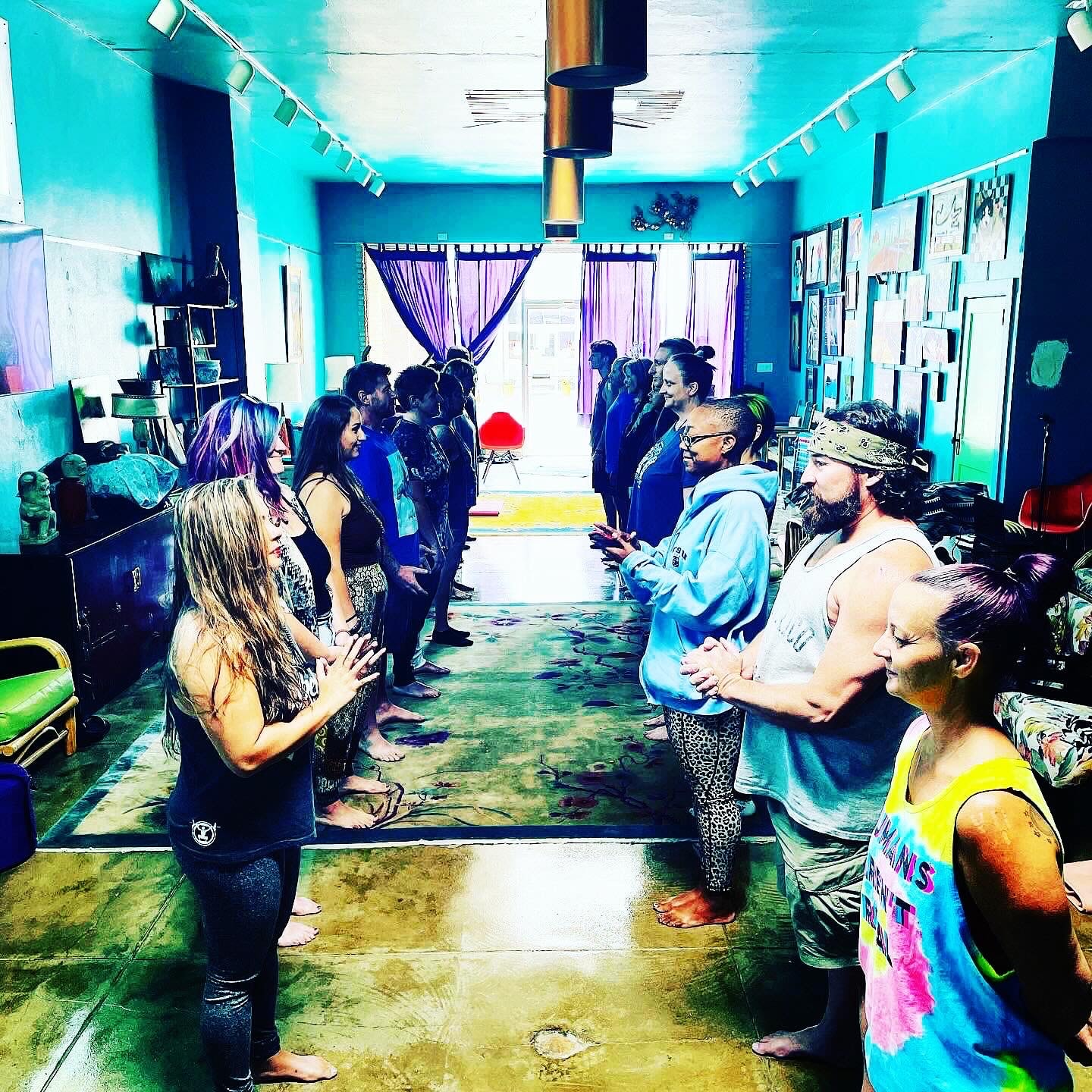
For Those Who Have Carried Too Much for Too Long.
Plant Medicine University serves many populations — but we have a particular commitment to people whose lives have required sustained exposure to stress, responsibility, performance pressure and trauma. That includes combat veterans and first responders, but also the physicians, therapists, executives and athletes who carry invisible weight for years before they ask for help.
Our larger mission is to improve how America prepares people for transformative treatment and how we support them in returning to their families, professions and communities with something that lasts.
Traditional Knowledge
Where ancient knowledge meets the emerging standard of care.
Dr. Courtni Hale is a generational practitioner whose relationship with traditional medicine and Native ceremonial culture extends far beyond the current psychedelic renaissance. Her work has developed through decades of relationship with Native elders, medicine people and traditional communities, including seven years of direct study with Tata Patricio Dominguez.
Plant Medicine University therefore approaches these medicines first as traditions carrying cultural, spiritual and community responsibilities — not as commodities.
Our ceremonial work continues because the traditions themselves continue. The present psychedelic movement did not create these practices. It is beginning to rediscover something Indigenous cultures have understood for generations: medicine cannot be separated from preparation, relationship, environment, meaning, community and integration.
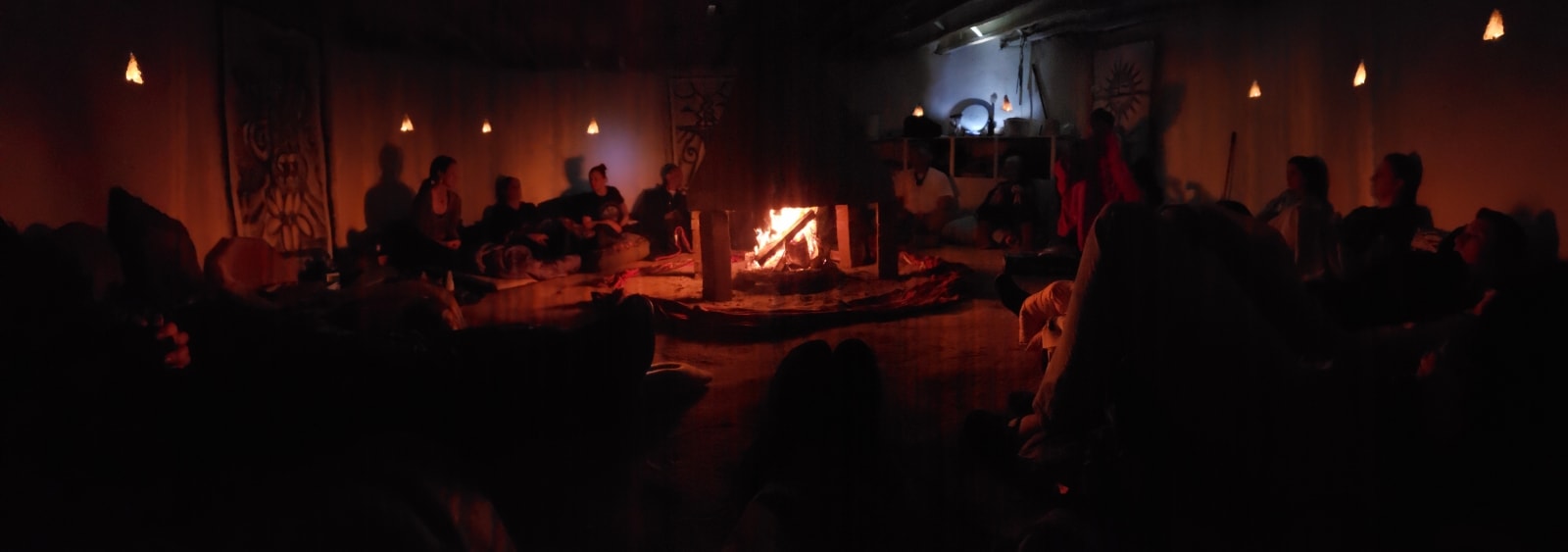
"The emerging psychedelic field does not need to choose between research and tradition. It needs enough humility to learn from both."

Ceremonial Practice
Traditional Ceremonial Practice
Our educational work did not begin with the modern psychedelic industry. It grew from decades of traditional practice, relationship, ceremony and Indigenous knowledge.
For those called to experience this work personally, we continue to make carefully held traditional ceremonial retreats available.
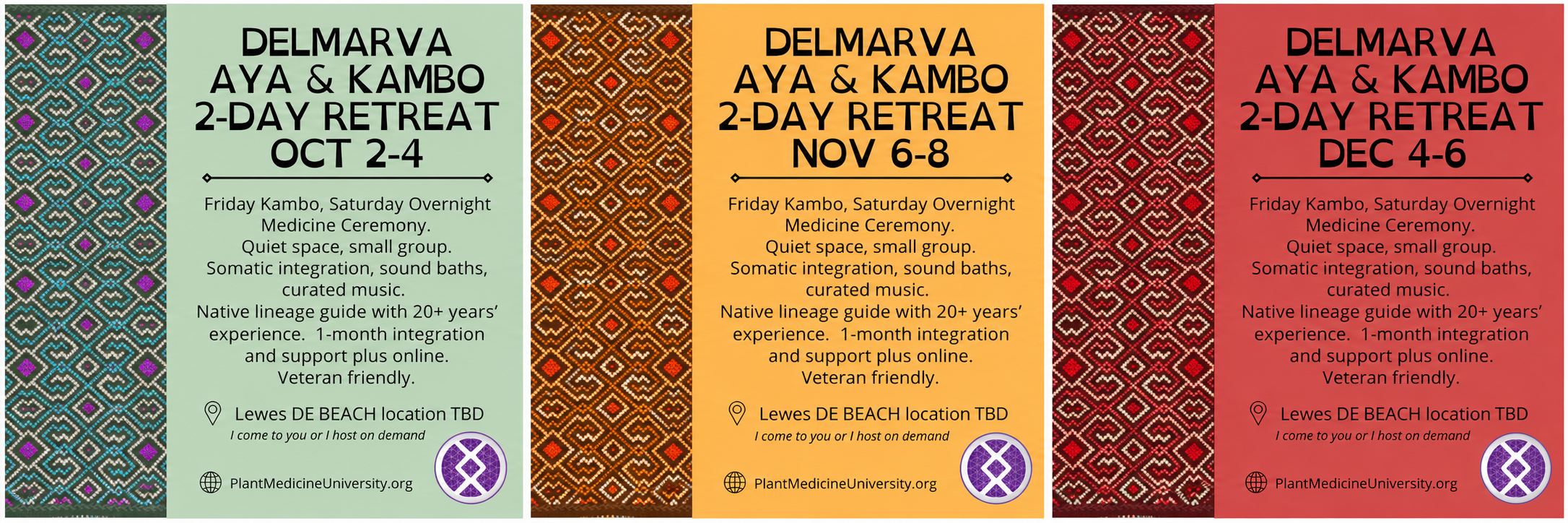
Fall 2026 Ceremonial Weekends · October 2–4 · November 6–8 · December 4–6
Explore Upcoming RetreatsA Message from Dr. Courtni
Welcome to Plant Medicine University
The Next Frontier Is Not Simply Access to the Medicine.
It is training people to hold the experience responsibly.
Join the Finding the Force community
Writings on plant medicine, consciousness, lineage, and the path of the facilitator — delivered directly from Dr. Courtni Hale on Substack.