Lineage
The Knowledge Behind the Medicine
Plant medicine did not begin with psychedelic clinics, certification programs, or modern research institutions. Long before contemporary medicine began investigating altered states, generations of knowledge holders were preserving sophisticated systems of preparation, ceremony, relationship, community, healing, integration, and responsibility.
Plant Medicine University recognizes this living body of knowledge as lineage. We believe professional psychedelic education is strengthened when contemporary science and clinical safety are placed in conversation with the generations of human experience that preceded them.
Beyond the Medicine: Building the Container — Labyrinth Installation
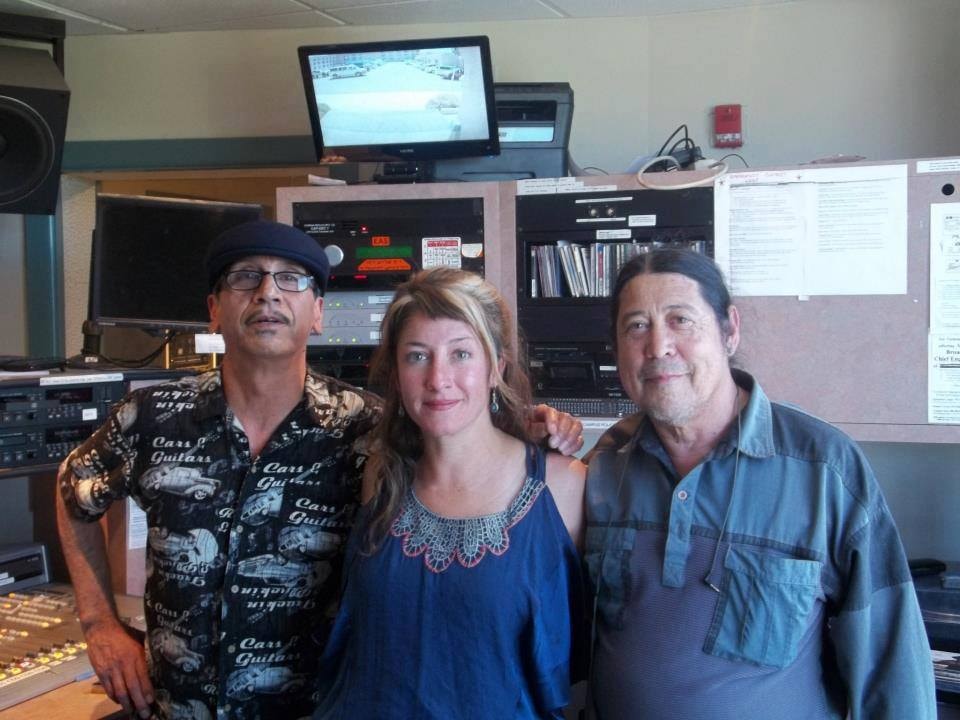
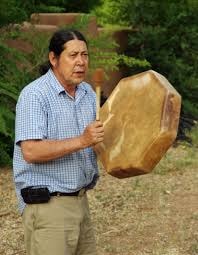
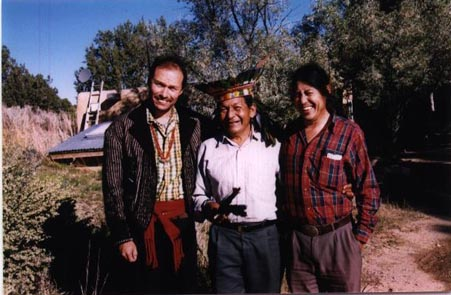
Reverend Dr. Courtni Hale and Tata Patricio Domínguez — Building the Labyrinth
Plant Medicine University is grounded in the understanding that preparation, ritual, place, relationship, and community are part of responsible medicine work. The work of Reverend Dr. Courtni Hale and Tata Patricio Domínguez has never been limited to plant or fungal medicines alone. Their collaboration has also included the creation of physical, ceremonial, and contemplative environments designed to support reflection, transition, community, and spiritual practice.
Together, Courtni and Patricio built a traditional labyrinth as part of this broader body of work. The labyrinth reflects a core PMU principle: transformation is not simply an event produced by a substance. It is a process of orientation, encounter, pattern recognition, integration, and return.
This work demonstrates the broader educational philosophy behind Plant Medicine University. Students are introduced not only to pharmacology, screening, safety, ethics, preparation, administration, and integration, but also to the role of environment, ritual structure, symbolic practice, relationship, and cultural context in supporting non-ordinary states and human transformation.
This work has never been confined to a classroom.
Dr. Courtni Hale and Tata Patricio Domínguez have spent years doing community education on consciousness, sustainability, and plant medicine — through radio, public forums, Indigenous councils, and direct community engagement. That commitment to public conversation is part of what Plant Medicine University is built on.
PMU is not a certificate mill. It is not designed to process students quickly and issue credentials. It is designed to develop practitioners who understand the science, the ethics, the cultural context, and the human responsibility that this work requires — and who are prepared to carry that understanding into their communities.
Featured in The Spirit Molecule
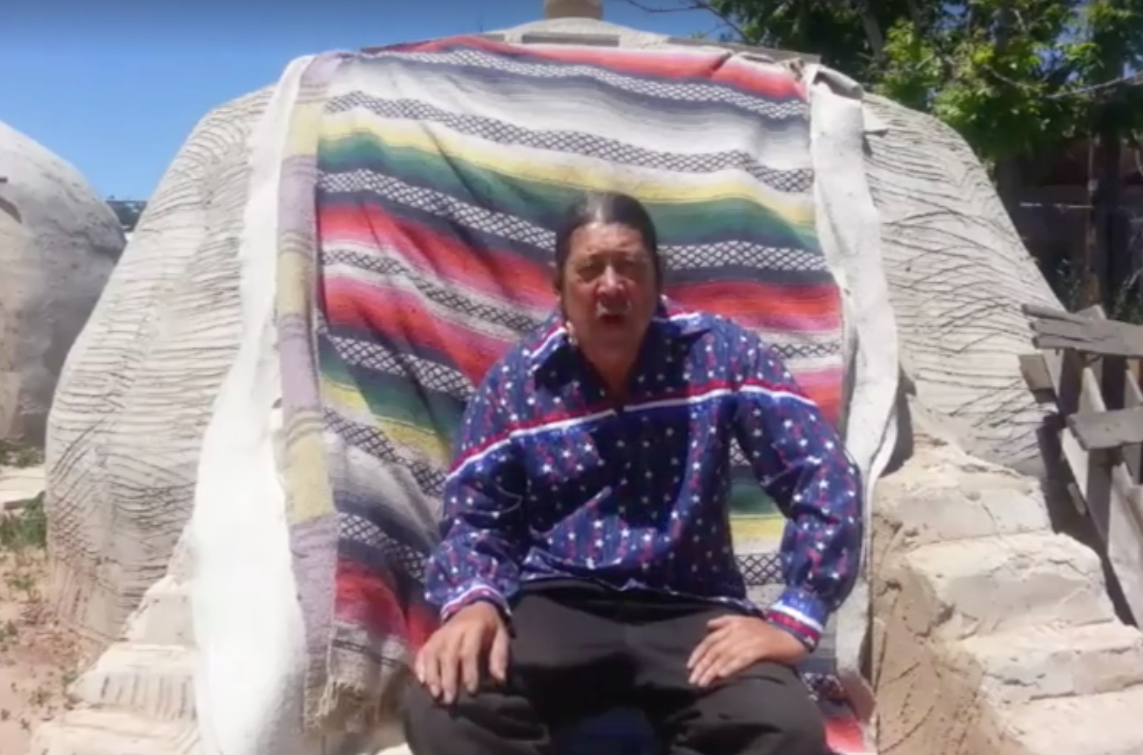
Tata Patricio Domínguez appeared in Rick Strassman's landmark documentary The Spirit Molecule — the film based on Strassman's groundbreaking clinical research into DMT at the University of New Mexico. His outtakes offered something the clinical data alone could not: the perspective of a traditional knowledge holder who had spent decades working with consciousness, ceremony, and the ethics of holding space for non-ordinary states.
Patricio's contributions helped contextualize what the clinical trials were observing — grounding the science in questions of set, setting, cultural responsibility, and the long arc of human experience with these medicines. His voice in that film represents exactly the kind of bridge between traditional knowledge and contemporary research that Plant Medicine University is built on.
Tata Patricio Domínguez — outtake from The Spirit Molecule documentary
The Role of the Lineage Keeper
Tata Patricio Domínguez serves as Plant Medicine University's Lineage Keeper. His role is not symbolic. He provides cultural continuity, traditional context, ethical perspective, and direct instruction in areas where generational knowledge cannot be replaced by textbooks alone.
Patricio's work has crossed tribal, cultural, geographic, and spiritual boundaries for decades. He has participated in and organized councils bringing Indigenous elders, medicine people, ceremonial leaders, and traditional knowledge holders into relationship across the Americas and internationally.
One particularly important chapter was the Continental Council of Indigenous Elders and the gatherings associated with the Eagle–Condor tradition. Published accounts identify Patricio as the North American coordinator for gatherings initiated through Mayan timekeeper lineages and credit him with organizing the 1999 gathering in New Mexico, at which approximately 300 tribes were reportedly represented.
Read About the Eagle–Condor GatheringsThe Institute of Natural and Traditional Knowledge, where Patricio has served as Executive Director, has worked in Indigenous cultural preservation, seed preservation, traditional knowledge, land stewardship, youth and elder activities, sustainability, and the development of relationships among Native communities and outside institutions.
Institute of Natural and Traditional Knowledge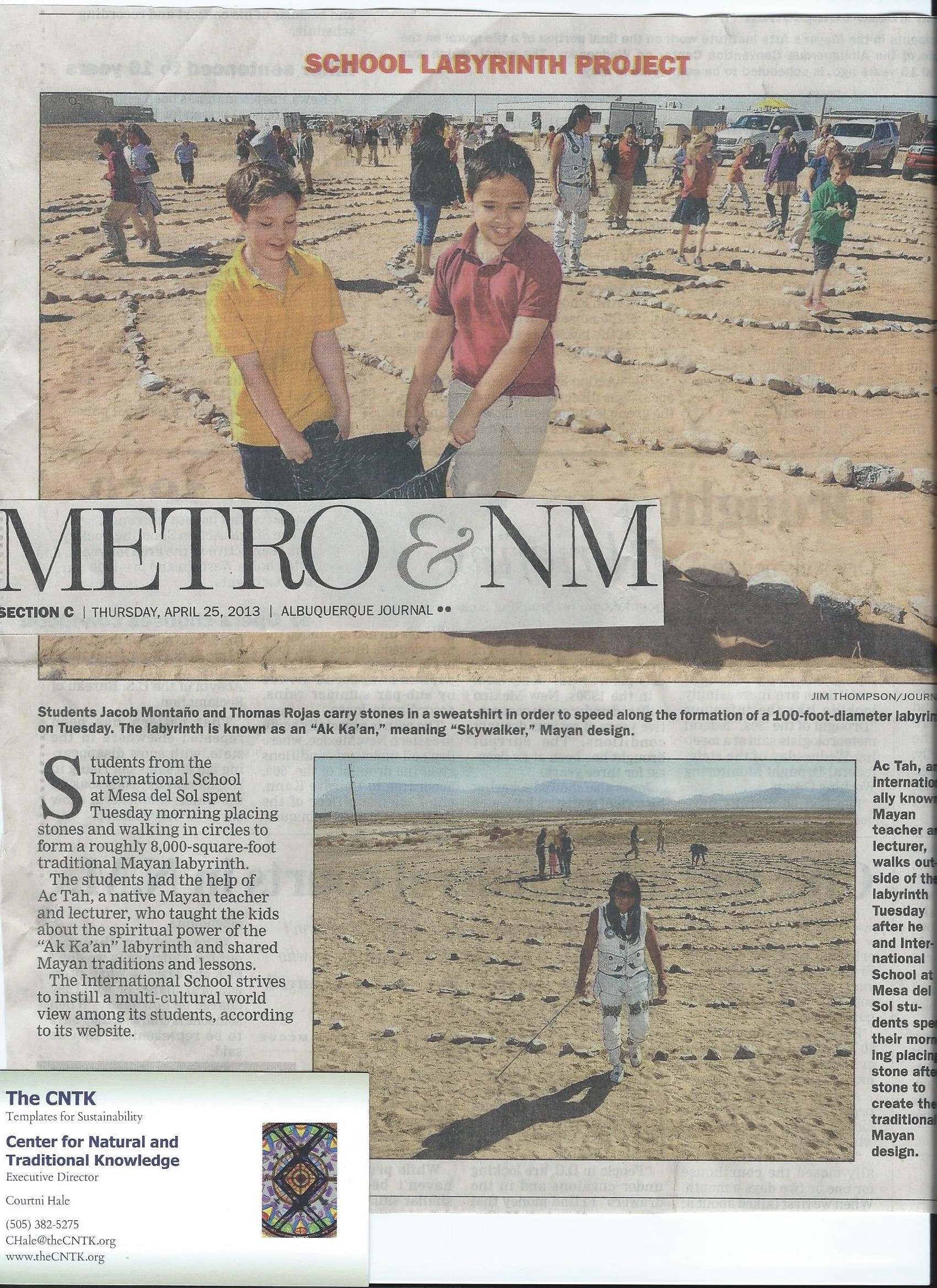
A Decades-Long Body of Work
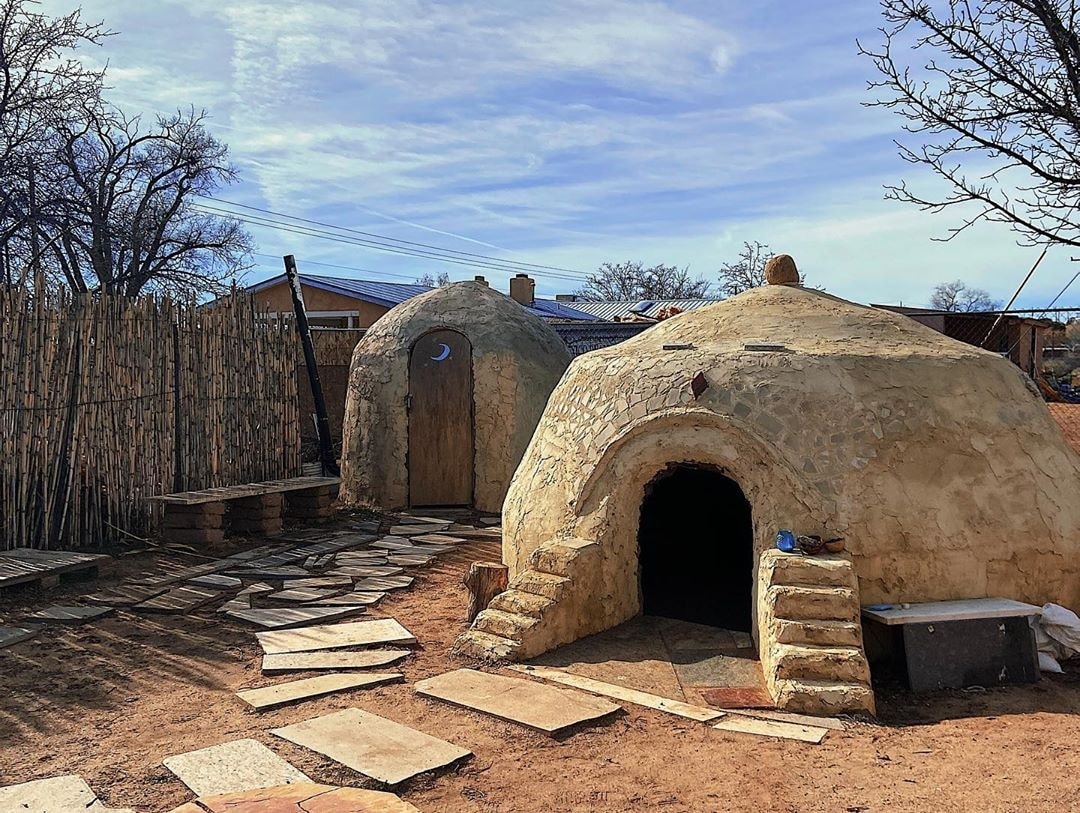
The Church of the Spiritual Path has been a site of sustained community work for more than two decades. That work has included building a traditional stone labyrinth, community garden projects, and the construction of a permanent cement sweat lodge — designed specifically to continue functioning during fire bans when traditional wood-fired structures could not operate.
During the COVID-19 pandemic, the Church organized water container deliveries to the Navajo Nation, where infrastructure gaps left many families without reliable access to water. The same community network has supported veterans working through PTSD and people in recovery — not as a program, but as an ongoing relationship between the Church and the people it serves.
Cultural preservation has run through all of it — intergenerational education, ceremonial continuity, and the kind of long-term community investment that does not appear on a résumé. This is the context from which Plant Medicine University's teaching emerges.
Traditional Knowledge in Print
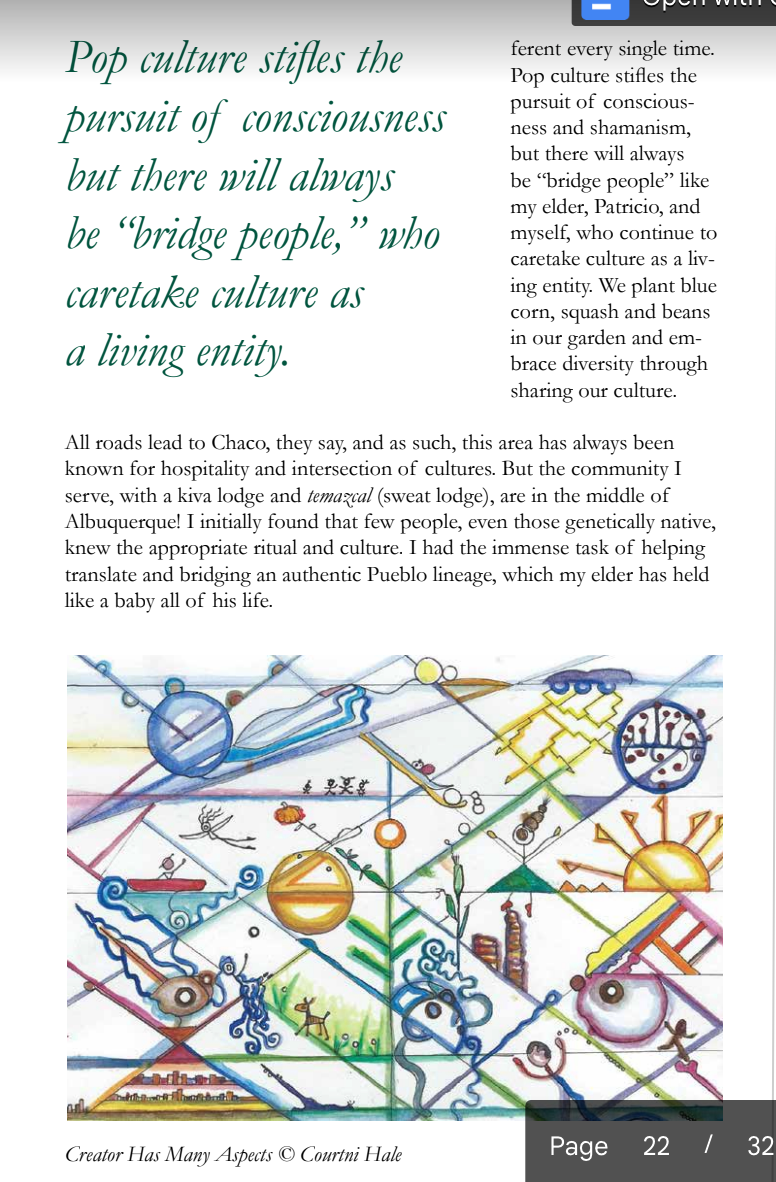
The relationship between traditional medicine, cultural caretaking, and the evolution of living ceremonial traditions has also been documented in Green Fire Times, a New Mexico publication focused on sustainability, culture, Indigenous perspectives, agriculture, community, and the Southwest.
Read the Green Fire Times Feature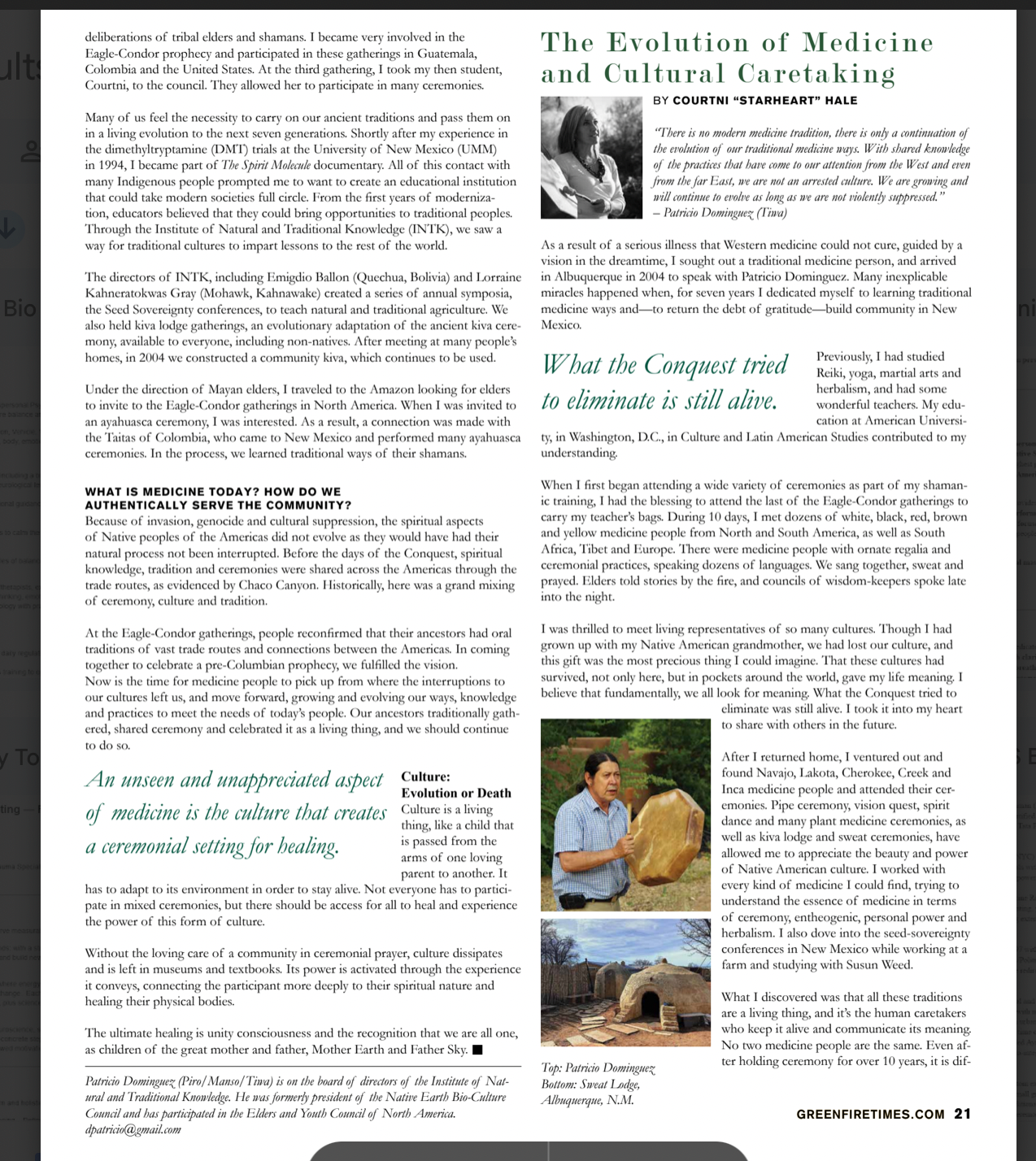
A Living Teaching Site
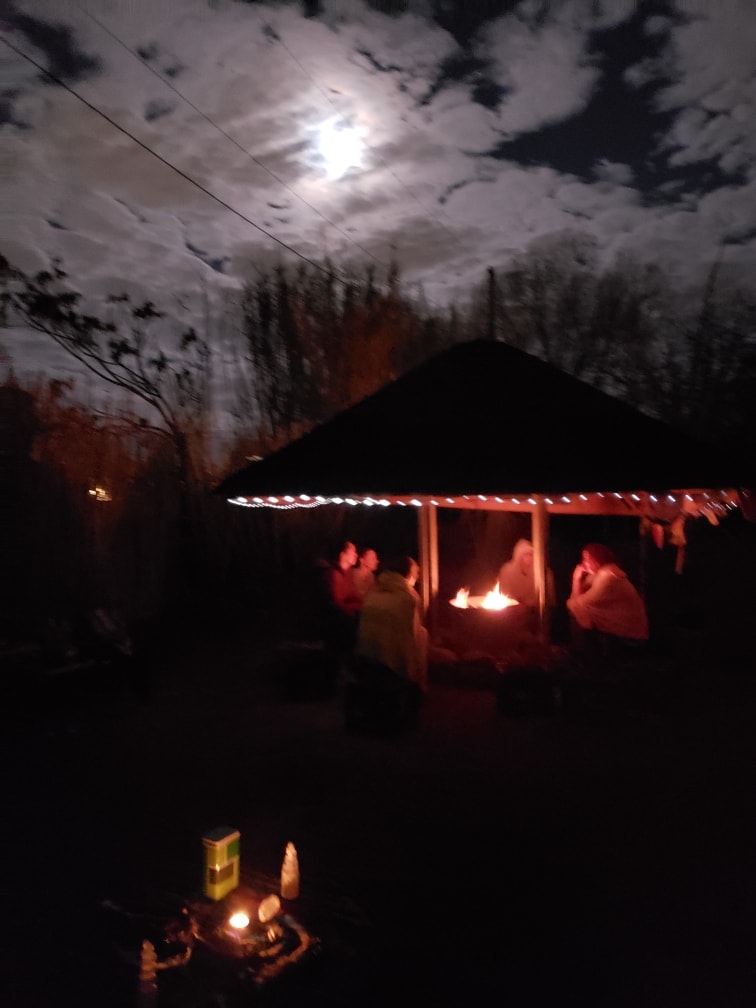
The Church of the Spiritual Path — Iglesia del Camino Espiritual — in Albuquerque, New Mexico, is part of the living context from which this teaching emerges. Its ceremonial lodge and Sweat Lodge provide a setting for selected PMU instruction in traditional knowledge, cultural responsibility, ceremony, SERT, relationship with place, and intergenerational learning.
This is not presented as a substitute for PMU's clinical, scientific, regulatory, or safety curriculum. It is one component of a multidisciplinary educational model.
Why Lineage Matters
Lineage is not a claim that one culture owns human consciousness. It is an acknowledgement that knowledge develops through generations of observation, responsibility, practice, correction, relationship, and transmission.
Traditional knowledge holders have spent lifetimes learning how medicine interacts with ceremony, community, grief, identity, nature, spirituality, altered states, preparation, vulnerability, and return. Their knowledge does not replace pharmacology, medicine, psychology, emergency preparedness, or contemporary research. It contributes another essential dimension to professional formation: accumulated human experience.
PMU therefore teaches both worlds. Students study pharmacology, screening, contraindications, trauma-informed care, ethics, nervous-system regulation, professional boundaries, preparation, administration, integration, documentation, and New Mexico regulatory requirements. They are also introduced to the cultural and traditional foundations from which much of humanity's relationship with plant and fungal medicines emerged.
"Science can tell us increasingly sophisticated things about what happens when psychedelic compounds interact with the human brain. Lineage asks an equally important question: what have generations of human beings learned about how to hold these experiences responsibly? Plant Medicine University was built to keep both questions in the room."
Ready to Begin Your Training?
In-Person Training in Albuquerque — Combined with Online Classes
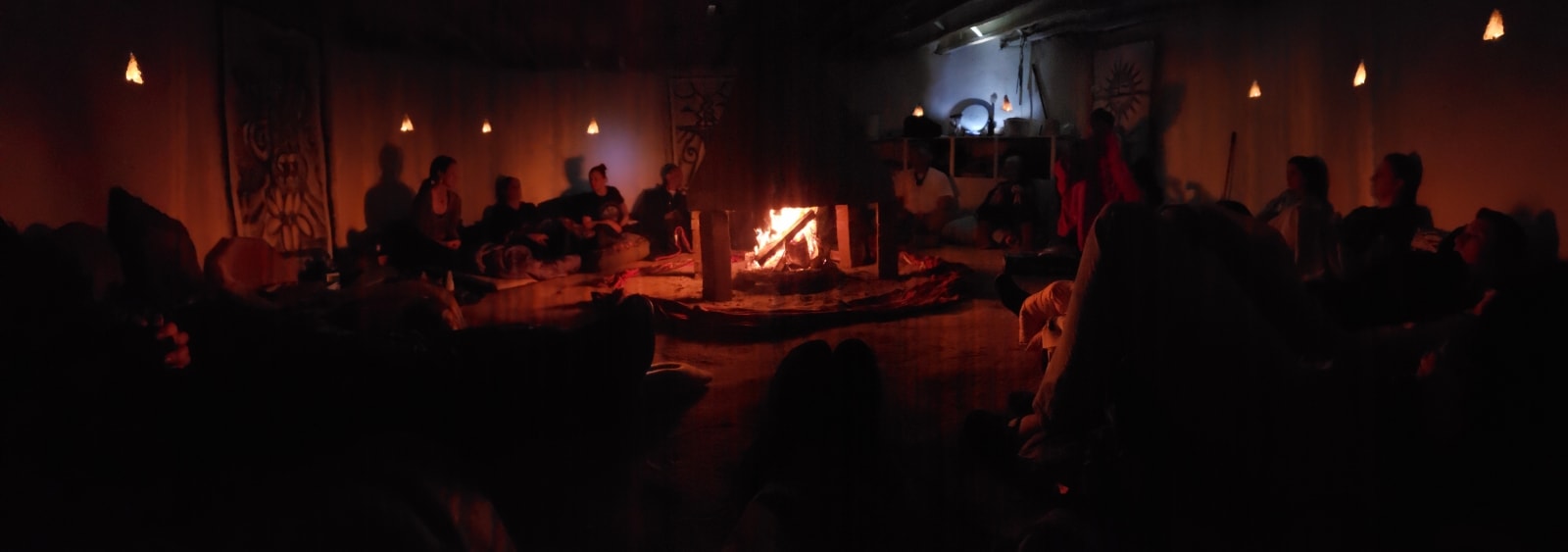
Plant Medicine University's training is not conducted entirely behind a screen. Students participate in in-person intensives held in Albuquerque, New Mexico — including time inside the ceremonial lodge where community has gathered for decades around sacred fire, traditional practice, and intergenerational teaching.
These in-person sessions are paired with online coursework, allowing students across the country to complete the academic and clinical curriculum remotely while traveling to New Mexico for the experiential components that cannot be replicated on a video call.
This hybrid model reflects a core PMU principle: professional formation in plant medicine requires both rigorous academic preparation and direct, embodied experience in the kind of setting where this work actually happens.