4 Red Flags for Ayahuasca Retreats in the US and Abroad
By Dr. Courtni "StarHeart" Hale, Ph.D. — Founder, Plant Medicine University
When Ceremony Goes Wrong: Four Red Flags Every Seeker Should Know.
Plant medicine is having a cultural moment. Retreats are proliferating. Facilitators are multiplying. And not all of them are safe. Before you book — whether in the US, Peru, Costa Rica, or anywhere else — here are four things that should give you serious pause.
Red Flag 01
No Verifiable Lineage or Training
If a facilitator cannot tell you clearly who trained them, for how long, and within what tradition — that is a red flag. "I've done 200 ceremonies" is not a lineage. "I trained with a shaman in Peru for two weeks" is not a lineage. Lineage means years of apprenticeship within a living tradition, with accountability to elders who can vouch for the facilitator's readiness. Ask directly. If the answer is vague, evasive, or defensive, trust that signal.
Red Flag 02
No Medical Screening or Contraindication Protocol
Ayahuasca contains MAOIs. Certain medications — SSRIs, SNRIs, lithium, stimulants, and others — can cause dangerous or fatal interactions. A responsible facilitator will conduct thorough medical screening before accepting any participant. If a retreat does not ask about your medications, mental health history, or physical health — or if they wave off your concerns — walk away. This is not bureaucracy. It is basic safety.
Red Flag 03
Pressure, Urgency, or Promises of Guaranteed Outcomes
Plant medicine is not a product. No ethical facilitator promises healing, transformation, or specific outcomes. If a retreat uses high-pressure sales tactics, creates urgency around limited spots, or guarantees that the medicine will "fix" your depression, trauma, or addiction — that is a red flag. The medicine works in its own way, on its own timeline. Anyone who tells you otherwise is selling something.
Red Flag 04
No Integration Support
The ceremony is a door. What matters is what happens after you walk through it. A responsible retreat or facilitator will offer — or at minimum point you toward — integration support: follow-up sessions, community, or coaching to help you make sense of what arose and anchor it into your daily life. If a retreat ends and you're simply sent home with no support structure, the work is incomplete. Integration is not optional. It is where the real transformation happens.
This work is powerful. That is precisely why it requires discernment. The medicine itself is not dangerous — but the container it is held in can be. Your safety is worth the extra questions.
If you want to understand how Plant Medicine University approaches safety, lineage, and preparation — start with a diagnostic call. No pressure. Just a conversation.
About the Author
Dr. Courtni "StarHeart" Hale, Ph.D.
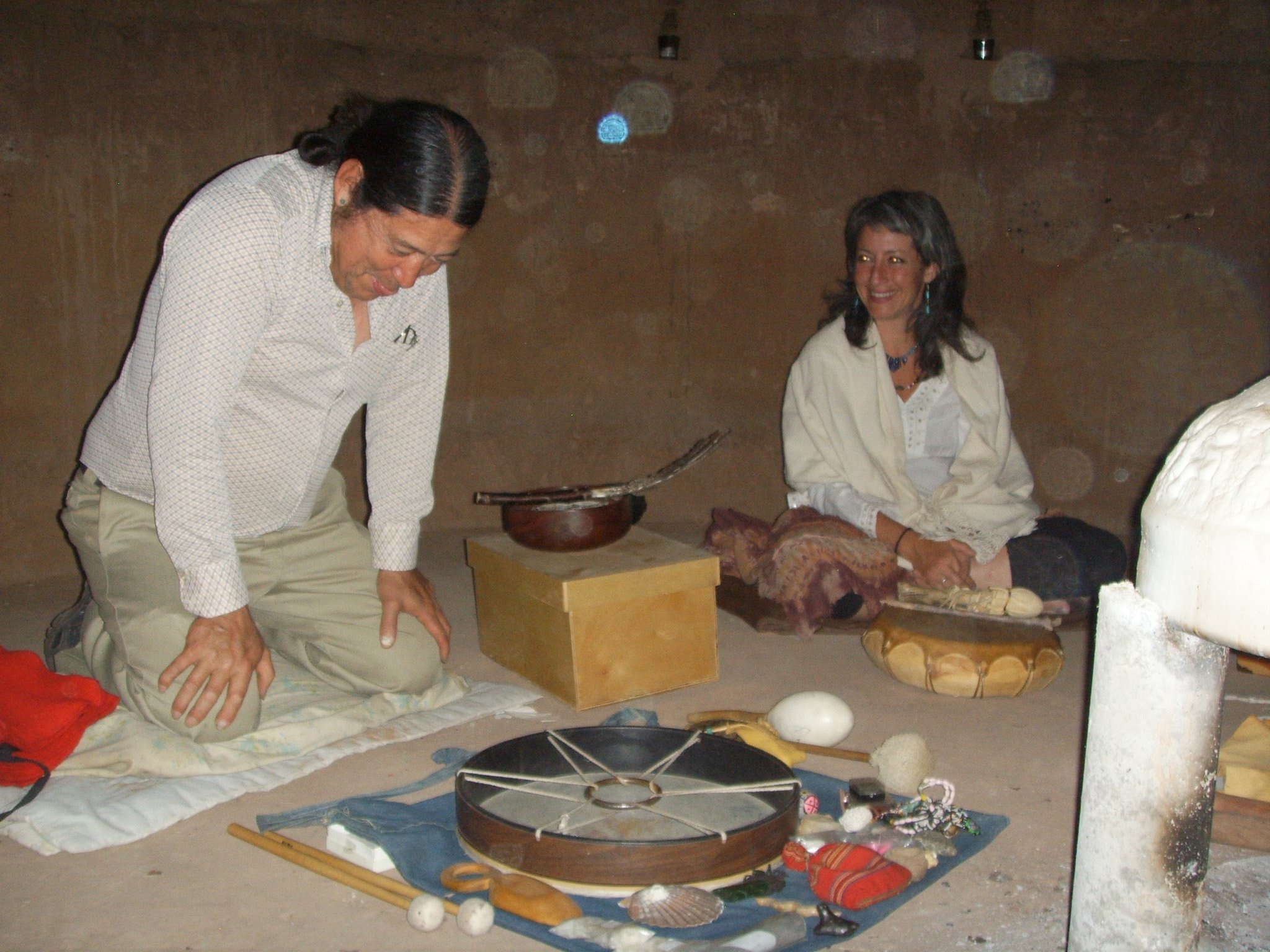
Founder of Plant Medicine University. Seven-year apprentice under Tata Patricio Dominguez. Kambo practitioner, ayahuasca facilitator, and Compass Keys guide serving veterans, executives, and athletes in the Rehoboth Beach, Delaware area.
Read her full story →