Understanding Plant Medicine: A Comprehensive Guide
By Dr. Courtni "StarHeart" Hale, Ph.D. — Founder, Plant Medicine University
Plant medicine is not a trend. It is not a therapy modality. It is not a shortcut to healing or a weekend experience you can slot between your regular life.
It is a living system — one that has been refined over thousands of years by people who understood that the body, the mind, the spirit, and the community are not separate problems to be solved individually. They are one system. And plant medicine works at the level of the whole system.
This guide is for people who want to understand that system — not just the experience, but the preparation, the lineage, the integration, and the responsibility that comes with working with these medicines seriously.
What plant medicine actually is
The term "plant medicine" covers a wide range — from everyday herbal remedies that support the nervous system and immune function, to ceremonial medicines like ayahuasca and kambo that work at a much deeper level of the psyche and body.
What they share is this: they are not passive. They do not work on you the way a pharmaceutical does. They work with you — with your intention, your preparation, your willingness to be honest about what needs to change.
In the traditions I was trained in, the medicine is understood as a teacher — a living consciousness that responds to how you approach it. Approach it with respect, preparation, and genuine intention, and it will meet you there. Approach it as a consumer looking for an experience, and it will show you exactly that: an experience, and nothing more.
The three phases: Prepare, Participate, Integrate
Prepare
Preparation is the first half of the medicine. It begins weeks before ceremony — dietary changes, reducing stimulants and alcohol, clearing your schedule, setting intentions, and doing the emotional groundwork that allows the medicine to move cleanly. Most people skip this phase. Most people also wonder why their ceremony didn't change their life.
Participate
The ceremony itself is not the destination — it is the doorway. What matters is the quality of the container: the lineage of the facilitator, the songs and prayers that hold the space, the community around you. A well-held ceremony creates the conditions for genuine encounter. A poorly held one can leave you more fragmented than when you arrived.
Integrate
Integration is where the real work happens. The insights from ceremony are seeds — they need soil, water, and time to grow. Without integration, even the most profound experience fades within weeks. True integration is not journaling about what you saw. It is reorganizing your life around what you now know. That requires structure, support, and often a community that understands the territory.
Why lineage matters
The modern plant medicine world is full of people who have had powerful experiences and decided to start facilitating. Some of them are sincere. Some of them are skilled. But sincerity and skill are not the same as lineage.
Lineage is the transmission of knowledge through direct relationship — from teacher to student, over years, through ceremony, through failure, through the slow accumulation of understanding that cannot be compressed into a training program.
I spent seven years carrying bags for my teacher, Tata Patricio Dominguez, before I ever facilitated a ceremony on my own. That is not unusual in traditional training. It is the minimum. When you work with someone who carries genuine lineage, you are not just working with that person — you are working with everyone who held that knowledge before them.
Common questions
What safety precautions should I take when exploring plant medicine?
Safety begins long before the ceremony. Educate yourself about the specific medicine, its contraindications, and any interactions with medications or health conditions. Work only with practitioners who have verifiable lineage and training — not a weekend certification. Start with a thorough intake process. A responsible facilitator will screen you carefully, and that screening is a sign of integrity, not gatekeeping. The container matters as much as the medicine itself.
How do I navigate the legal landscape for plant medicine?
Legality varies significantly by location and medicine. Some plant medicines are legal in certain jurisdictions, decriminalized in others, and controlled substances elsewhere. It is your responsibility to understand the laws in your area before proceeding. This is not a reason to avoid the work — it is a reason to approach it thoughtfully, with a practitioner who operates with transparency and integrity.
How can I best prepare for a plant medicine session?
Preparation is not optional — it is the first half of the medicine. In the traditions I was trained in, preparation begins weeks before ceremony: dietary changes, reducing stimulants and alcohol, clearing your schedule, setting intentions, and doing the emotional groundwork that allows the medicine to move cleanly. Arrive rested. Arrive honest. The more you bring to the preparation, the more the medicine has to work with.
What are the potential benefits and risks?
The potential benefits are real: emotional healing, expanded self-awareness, resolution of grief and trauma, renewed sense of purpose. The risks are also real: psychological destabilization, spiritual emergency, retraumatization in an unsafe container. The difference between a transformative experience and a harmful one is almost always the quality of the container — the preparation, the lineage of the facilitator, and the integration support afterward.
Where to begin
If you are new to plant medicine, the most important thing you can do is slow down. Read. Ask questions. Find practitioners who are willing to be transparent about their training, their lineage, and their screening process.
If you have already had ceremony and are trying to make sense of what you experienced — or wondering why the insights haven't translated into lasting change — the answer is almost always integration. The medicine showed you something. Now the work is figuring out what to do with it.
That is exactly what Plant Medicine University exists to support.
Ready to begin with proper preparation and support? Book a 55-minute call on Zoom with Dr. Courtni to talk through where you are and what the right next step looks like for you.
Book a 55-Minute Call on Zoom with Dr. Courtni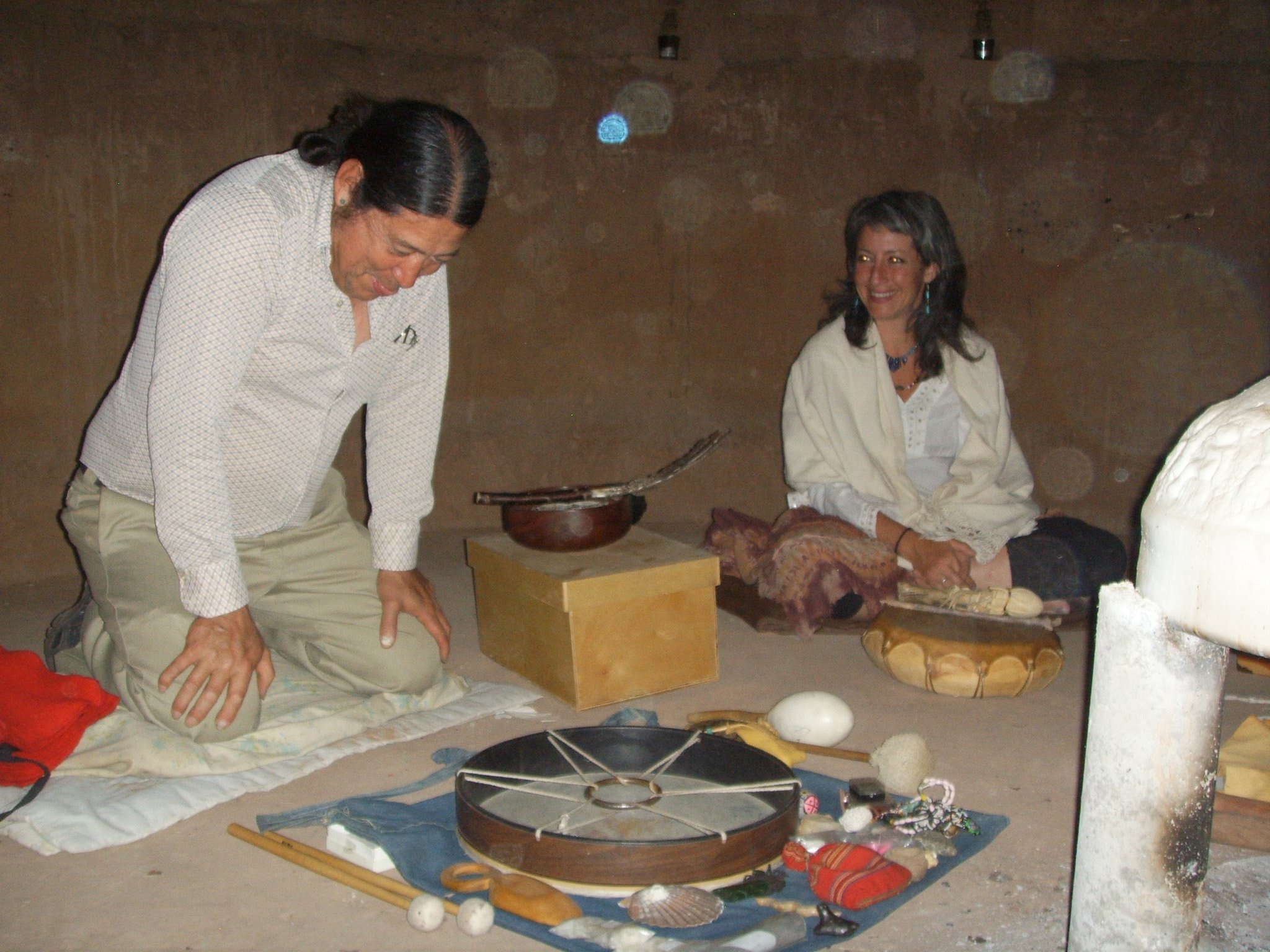
About the Author
Dr. Courtni "StarHeart" Hale, Ph.D.
Founder of Plant Medicine University. Seven-year apprentice under Tata Patricio Dominguez, last medicine man of the Tiwa Pueblo of Las Cruces. Kambo practitioner, ayahuasca facilitator, and Compass Keys guide serving veterans, executives, and athletes in the Rehoboth Beach, Delaware area.
Read her full story →